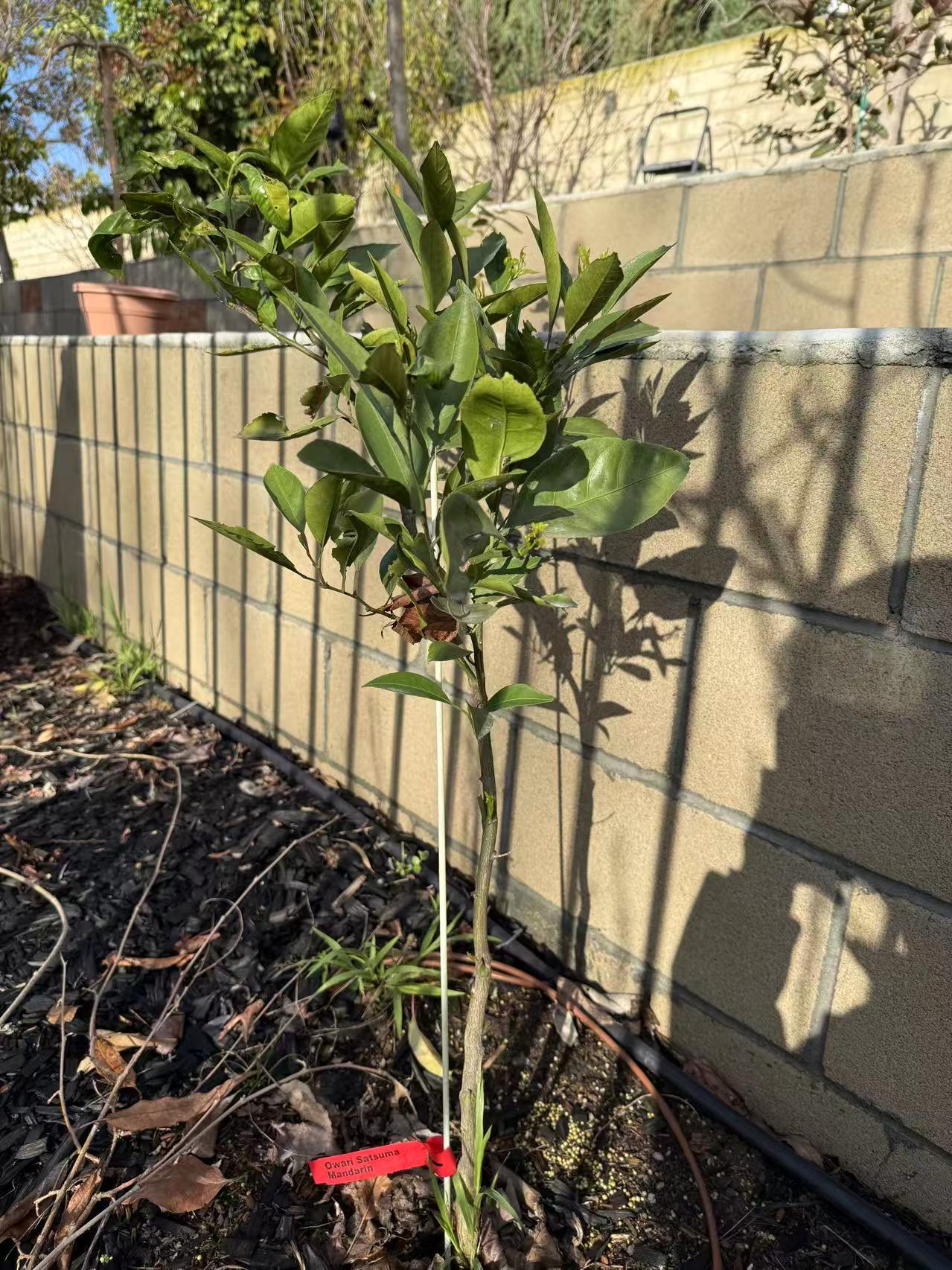
Tag: tm-12

  • Owari Satsuma Mandarin (2023 Batch)

    Owari Satsuma Mandarin (2023 Batch)

    🍊 Plant Profile: Owari Satsuma Mandarin (2023 Batch)

    📊 Basic Info

    • Variety: Owari Satsuma Mandarin (Semi-Dwarf)
    • Planting Date: December 2023
    • Source: Four Winds Growers
    • Yield Performance: ★☆☆☆☆ (Growth stunted by prior pest damage; currently in an active rehabilitation and rebuilding phase)
    • Flavor Profile: 100% seedless with a famously loose “zipper-skin.” The flesh is tender, melting, and offers an impeccable balance of sweetness and mild acidity.

    📖 Variety Overview & Diagnosis

    Part of the “Class of 2023,” this tree shares the exact same backstory as your Cara Cara and Moro Blood Orange.

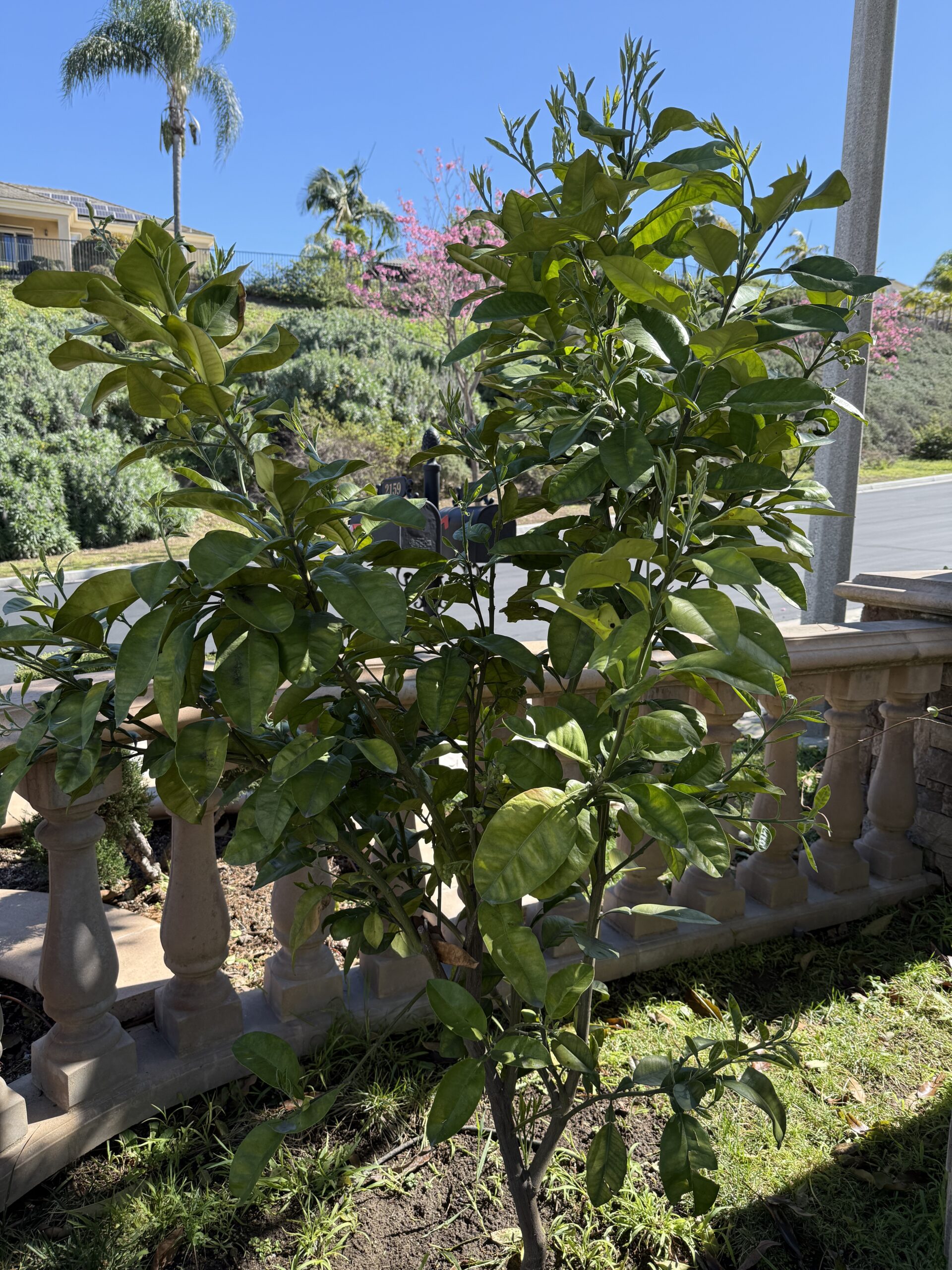
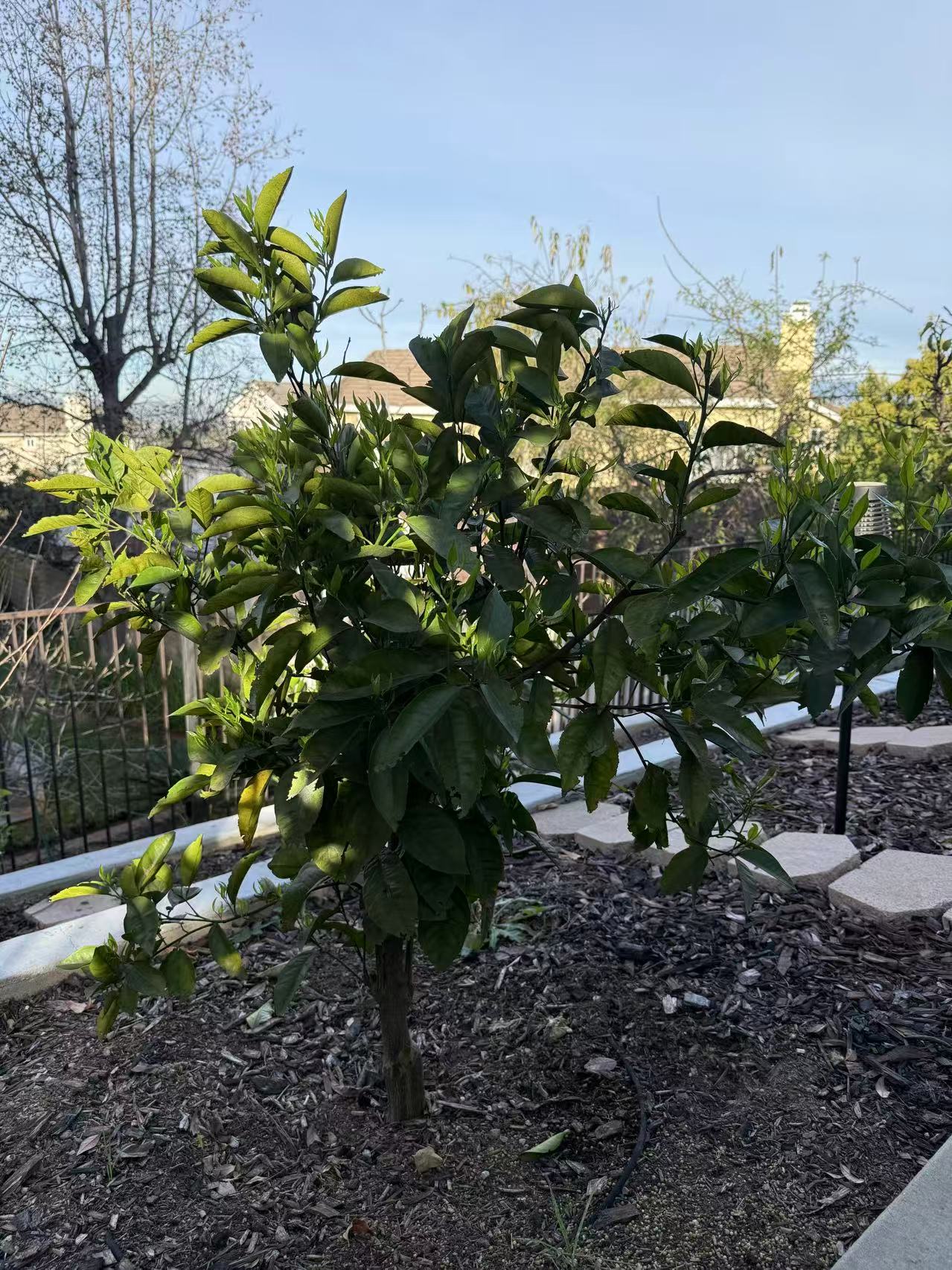
    • The Leafminer Toll: The curled, distorted, and slightly yellowed leaves visible in the photo are classic scars from last year’s Citrus Leafminer infestation. Because the foliage was compromised, the tree couldn’t photosynthesize efficiently, resulting in underwhelming growth over the past two years.
    • Inherent Toughness: Despite the intense pest pressure, the Owari’s natural cold-hardiness helped it survive the winters. Its ability to push new buds this spring proves the root system is still viable and ready to fight back.

    📅 Precise Ripening Months

    The ultimate holiday citrus treat:

    • Expected Harvest: November to January.
    • Peak Quality Month: December.
    • Harvesting Pro-Tip: Satsumas are deceptive. They often reach peak internal sweetness while the rind still has patches of green. Taste-test one before they turn completely puffy and orange.

    📝 My Gardening Notes

    • The Living Experiment: Sourced from Four Winds in late 2023. Having both a 2023 and a 2026 Owari Satsuma provides a unique opportunity to compare recovery growth versus fresh establishment in the orchard.
    • The Proactive Strike: Learning from the frustrating setbacks of 2024 and 2025, I deployed pest control sprays at the very first sign of bud break this year. 2026 is entirely dedicated to protecting the spring flush.

    🛠️ Care & Maintenance (Rehab Strategy)

    • Hold the Line: The initial spray was perfect, but consistency is key. I must reapply the treatment every 7 to 10 days until the new flush of leaves fully hardens off and darkens in color, rendering them impervious to leafminer moths.
    • Keep the Ugly Leaves: It is tempting to prune off the distorted, damaged foliage from last year, but they are currently the tree’s only solar panels. I will leave them intact until a lush, healthy new canopy emerges this summer.
    • Post-Flush Feeding: Once the weather warms and the new leaves are secure, I will apply a balanced organic citrus fertilizer. With healthy new leaves to process the nutrients, the tree is primed for explosive vertical growth this season.
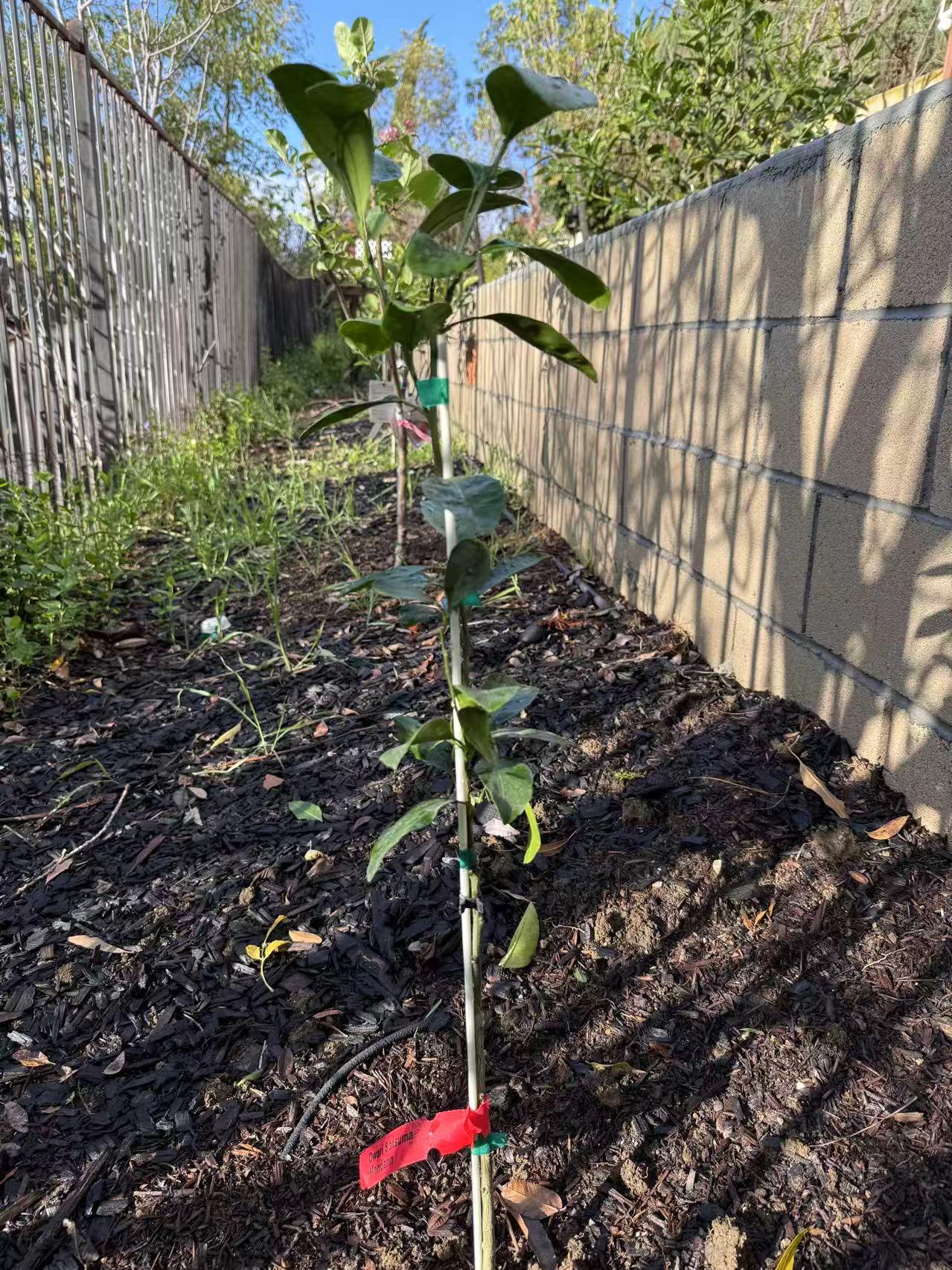
  • Owari Satsuma Mandarin

    Owari Satsuma Mandarin

    🍊 Plant Profile: Owari Satsuma Mandarin

    📊 Basic Info

    • Variety: Owari Satsuma Mandarin (Semi-Dwarf)
    • Planting Date: January 2026
    • Source: Four Winds Growers
    • Yield Performance: ★☆☆☆☆ (Currently settling in; known to be extremely prolific once mature, often requiring fruit thinning to prevent branch breakage)
    • Flavor Profile: 100% seedless. Famous for its “zipper-skin” which peels off effortlessly. The melting flesh offers a classic, rich mandarin flavor with an exquisite sweet-tart balance.

    📖 Variety Overview

    Originating from Japan, the Satsuma is a cornerstone of backyard citrus, and Owari is the undisputed king of the late-season Satsumas.

    • Cold Hardy Champion: Satsumas are among the most cold-tolerant of all sweet citrus. This tree will easily shrug off any occasional winter chill in Rowland Heights.
    • Smart Placement: Planted in the narrow planter strip next to the fence, choosing a Semi-Dwarf rootstock was a brilliant move. It will naturally form a compact, umbrella-like canopy without aggressively outgrowing its designated space.

    📅 Precise Ripening Months

    The Owari is the quintessential holiday fruit:

    • Expected Harvest: November to January.
    • Peak Quality Month: December.
    • Harvesting Pro-Tip: Satsumas are unique in that they often reach internal maturity (peak sweetness) while the rind still shows patches of green. Do not over-leave them on the tree until they are entirely puffy and orange, or they may become dry inside.

    📝 My Gardening Notes

    • Premium Pair: Acquired in January 2026 alongside the Kishu from the top-tier Four Winds Growers.
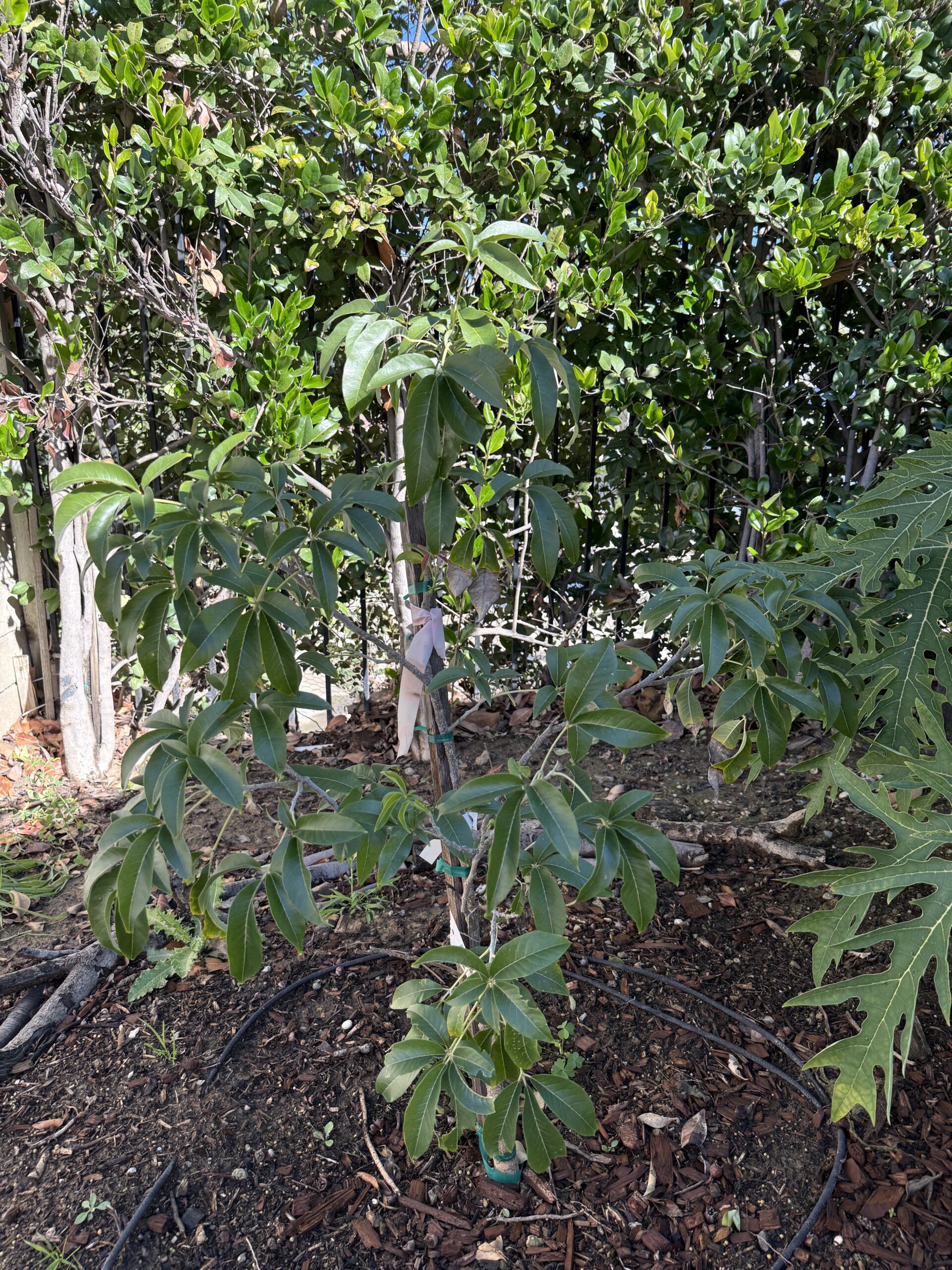
    • Smooth Transition: The tree is showing zero signs of transplant shock. Planting in January was ideal, allowing the roots to comfortably explore the surrounding soil without the stress of intense summer heat driving water demand from the canopy.

    🛠️ Care & Maintenance (Young Tree Focus)

    • Let It Weep: Satsumas naturally develop a spreading, weeping, and somewhat “shrubby” habit. Avoid pruning in the first few years. Let it grow dense; this foliage will naturally shade and protect its own trunk from the harsh Southern California summer sun.
    • Sunburn Protection: If the trunk is still highly exposed by July, I will apply a 50/50 mix of white interior latex paint and water to the trunk to prevent sunburn and bark splitting.
    • Watering Discipline: The mulch in the photo looks great. I will continue to check the soil moisture beneath the mulch, watering deeply only when the top few inches are dry to prevent root rot in this critical establishment phase.
  • Siam Red Pomelo

    Siam Red Pomelo

    🍊 Plant Profile: Siam Red Pomelo

    📊 Basic Info

    • Variety: Siam Red Pomelo (Tubtim Siam)
    • Planting Date: Spring 2023
    • Yield Performance: ★★☆☆☆ (First blooms appeared in 2025; steady production expected by 2026/2027)
    • Fruit Traits: Green skin with vibrant ruby-red flesh. Known for its intense sweetness, high juice content, and lack of bitterness.

    📖 Variety Overview

    A premium pomelo variety from Thailand, prized for its unique contrast between the emerald rind and deep red interior.

    • Appearance: Features large, lush leaves with prominent winged petioles. The tree is sturdy and well-adapted to the local sun.
    • Growth Habit: Loves full sun exposure in Rowland Heights. It is heat-tolerant but requires consistent moisture during the fruit-set phase.

    📅 Precise Ripening Months

    Pomelos have a long maturation cycle in Southern California, typically taking 8–10 months from flower to harvest:

    • Primary Harvest Window: November to February.
    • Peak Quality Month: December and January (This is when the flavor profile is most balanced and the sugars are at their peak).

    🛠️ Care & Management

    • Aphid Control (March–May): Use Neem Oil or horticultural soap on new spring flushes. Controlling ants in the garden is crucial, as they protect aphids from natural predators.
    • Nutrient Strategy: Apply phosphorus and potassium-rich fertilizers in late February to support blooming and fruit retention.
    • Irrigation: Maintain steady soil moisture during the summer to prevent fruit drop or rind splitting.
  • Ice Cream Fruit

    Ice Cream Fruit

    🍦 Plant Profile: Ice Cream Fruit (White Sapote)

    📊 Basic Info

    • Variety: Suebelle
    • Common Name: Ice Cream Fruit, White Sapote
    • Planting Date: Spring 2025
    • Yield Performance: ★★★★☆ (Suebelle is famous for its multiple flowering cycles and year-round fruiting)
    • Flavor Profile: Custard-like texture with zero fiber. A sweet melody of banana, pear, and vanilla—tastes just like natural premium ice cream when chilled.

    📖 Variety Overview

    Native to the highlands of Central and South America, the White Sapote is actually a distant relative of the citrus family.

    • Variety Advantage: Suebelle is a premier grafted variety. It is semi-dwarf and easy to manage, showing much better cold tolerance in the Rowland Heights winter than many typical tropicals.
    • Appearance: Features elegant, glossy, palmate compound leaves that stay lush and green throughout the year.
    • The Taste: Boasts exceptionally high sugar content. Its melt-in-your-mouth texture is unparalleled among subtropical fruits.

    📅 Maturity & Harvest

    • Year-Round Production: Much like the papayas in my orchard, Suebelle produces fruit in small batches throughout the year.
    • Peak Season: The heaviest harvests typically occur from October through February.
    • Growth Cycle: Fruits usually take 6 to 9 months to develop from flower to maturity.

    💡 Harvesting & Ripening

    • Color Break: Look for the skin to shift from dark green to a pale green or golden yellow.
    • Picking Window: Do not wait for the fruit to soften on the tree. Harvest when it feels slightly springy to the touch to prevent bird damage or bruising from falling.
    • Ripening: Store at room temperature for 2–5 days. It is ready to eat when it feels as soft as a “ripe avocado.”

    📝 Garden Logs

    • Origin: Purchased from Mimosa Nursery in Spring 2025.
    • The Tag Error: The nursery tag mistakenly listed the scientific name for Black Sapote (Diospyros Nigra). Based on the foliage and variety name, it is confirmed to be a true Suebelle White Sapote.

    🛠️ Care Tips

    • Height Control: Even as a semi-dwarf variety, I will keep it pruned to a “reachable height” (around 7 feet) for easy harvest and better airflow.
    • Nutrient Strategy: Being a citrus relative, it benefits from regular potassium-rich fertilizer and micronutrients to enhance fruit sweetness and tree health.
  • Washington Navel Orange

    Washington Navel Orange

    🍊 Plant Profile: Washington Navel Orange

    📊 Basic Information

    • Variety Name: Washington Navel Orange
    • Planting Time: Early 2022 (The very first fruit tree in my orchard)
    • Yield Performance: ★☆☆☆☆ (Currently in a recovery and growth phase due to early root damage)
    • Taste Characteristics: Classic California navel flavor; seedless, easy to peel, with plump, juicy flesh and a perfect sweet-to-tart balance.

    📖 Variety Introduction The Washington Navel is the most iconic citrus variety in California and marks the starting point of my journey as an orchardist.

    • Appearance: It features the signature “navel” at the blossom end and develops a brilliant golden-orange rind when ripe. Although the tree isn’t large yet, every new leaf represents its resilient spirit.
    • Flavor Profile: Known for its firm texture and rich flavor. Being seedless and easy to peel makes it the ultimate fresh-eating orange for the whole family.
    • Growth Habit: It thrives in the abundant Rowland Heights sunshine. While not extremely picky about soil, it is very sensitive to root health and requires a steady, reliable water supply.

    📝 My Planting Record

    • The Trials of a Pioneer: As my first tree planted in early 2022, it bore the brunt of my inexperience. I accidentally damaged its roots during planting, which caused its growth to stall and remain weak for several years.
    • The Long Road to Recovery: After three years of patient care and adjustment, it finally began to turn a corner in early 2025. Seeing it push out vibrant green shoots this spring has been an incredible relief.
    • The Battle Against Pests: In its vulnerable recovery state, it faced a massive outbreak of aphids and leafminers right as the new growth appeared. I am now fully committed to a strict pest management routine to ensure these insects don’t derail its comeback.

    🛠️ My Care Essentials

    • Diligent Pest Control: To combat aphids and leafminers, I regularly inspect the undersides of new leaves. I keep organic Neem Oil or horticultural oil ready to spray in the evenings, providing a shield for the tender new growth.
    • Root Rehabilitation: Since the tree suffered “internal injuries” early on, my watering strategy is very precise. I ensure excellent drainage to prevent waterlogging and supplement the roots with seaweed extract to encourage deeper, stronger growth.
    • Frequent, Light Feeding: Because it is in a recovery phase, I avoid heavy, aggressive fertilizing. Instead, I follow a “little and often” approach with specialized organic citrus fertilizer and essential micronutrients to support its spring growth spurt.
    • Patience and Commitment: Growing fruit trees requires time and heart. With proper pest control, nutrition, and sunlight, I am confident this “orchard veteran” will regain its glory and produce the sweetest oranges in the near future.
  • Longan

    Longan

    🍈 Plant Profile: Longan

    📊 Basic Information

    • Variety Name: Highly likely Kohala Longan
    • Planting Time: Original old tree in the orchard, many years old
    • Yield Performance: ★★★☆☆ (Yield is highly unstable with a pronounced “alternate bearing” pattern, but explosive during a “big year”)
    • Taste Characteristics: Crystal clear and translucent flesh, abundantly juicy, extremely sweet like honey, with a rich, classic longan aroma.

    📖 Variety Introduction This longan tree is a “senior veteran” in my orchard. If it truly is the Kohala variety, it is definitely one of the most popular and excellent varieties in California, famous for its large fruit, small seeds, thick flesh, and extreme sweetness.

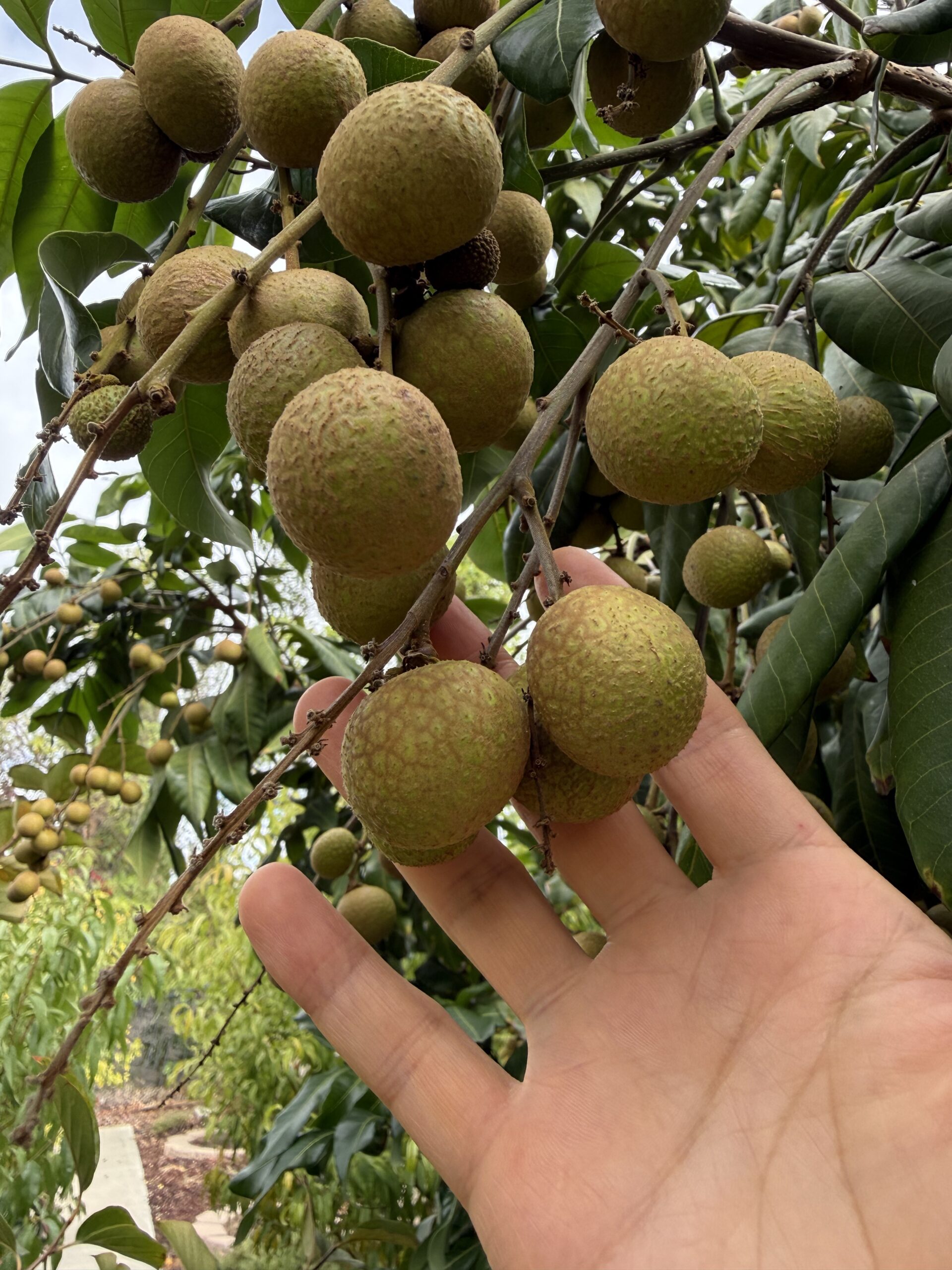
    • Appearance: Its shell is yellowish-brown with a slightly rough, netted texture. Every harvest season, looking at this heavy, plump cluster of fruit I’m holding in my hand fills me with the joy of a great harvest.
    • Flavor Profile: Peeling back the thin shell reveals pearl-like, translucent flesh. One bite and the juice overflows; the sweetness rushes to the taste buds. It completely rivals the top-tier longans sold in markets and is incredibly addictive to eat.
    • Growth Habit: As a typical subtropical evergreen fruit tree, it thoroughly enjoys the warm sunshine of Rowland Heights. However, these types of fruit trees share a frustrating common trait—if left without human intervention, they easily fall into a cycle of “alternate bearing” (biennial bearing).

    📝 My Planting Record

    • Planted by Predecessors: This tree is a precious asset left behind by the previous homeowner. After years of weathering, it has taken deep root in my orchard and has become my family’s most anticipated source of sweetness every autumn.
    • A Crazy “Big Year”: Its temper is somewhat unpredictable, and its yield fluctuates wildly. But in 2025, it ushered in a super “big year”! The entire tree was laden with heavy fruit clusters, the yield was astonishing, and every single one was sweet to the core. It felt like it was making up for all the missing yields from previous years at once.
    • A Sweet Trouble: Although a bumper harvest in a big year makes me incredibly happy, I know this means the tree has consumed a massive amount of nutrients. If I don’t quickly give it some heavy post-harvest care to replenish its nutrition, next year will definitely be a barren “small year.”

    🛠️ My Care Essentials

    • Breaking the Alternate Bearing Curse (Fruit Thinning): To make its future yield more stable, I have to learn to be ruthless. In the spring of future “big years,” when the flower panicles have just formed or young fruits have just set, I need to prune away about 1/3 to 1/2 of them. This not only allows the remaining fruits to grow larger but also preserves the tree’s nutrients so it can bloom and fruit normally the following year.
    • Post-harvest Fertilization: It produced so much fruit in 2025 that it practically exhausted all its energy. Immediately after the harvest, I must give it a comprehensive organic fertilizer rich in nitrogen, phosphorus, and potassium, and apply a thick layer of mulch. This helps it quickly recover its vitality and store energy for the coming year.
    • Water Management: Longans desperately need water during the flowering and fruit expansion stages. During the long, dry California summers, I will give it deep watering to ensure the fruits can absorb enough moisture to become plump and juicy, while also ensuring good drainage to prevent root rot.
    • Winter Pruning: After harvest and in late winter to early spring, I will give it a proper pruning. I’ll primarily cut off the leftover fruit stalks, dead branches inside the canopy, and overly dense crossing branches to maintain good airflow and light penetration, which greatly reduces the occurrence of pests and diseases.